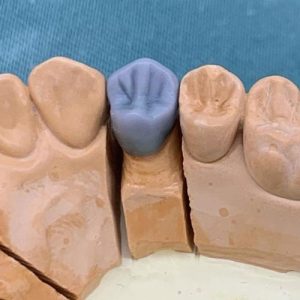
Why Lost-Wax Casting Still Matters in Modern Aesthetic Dental Prosthetics
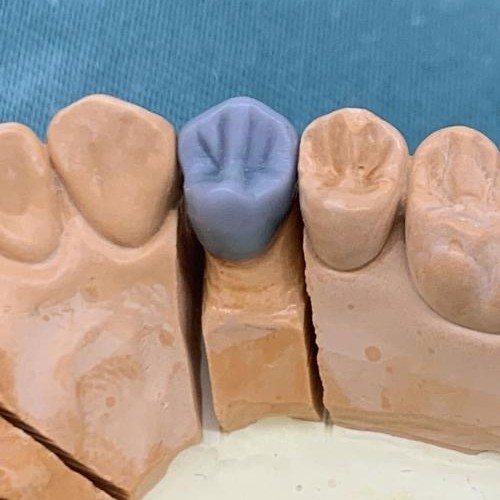
In an era dominated by digital workflows, CAD/CAM milling, and 3D printing, many wonder if traditional methods like lost-wax casting have become obsolete. Yet for anterior aesthetic prosthetics — where natural translucency, opalescence, and lifelike depth are non-negotiable — lost-wax pressing (especially with lithium disilicate ingots) remains essential. The technique, modernized with digital wax patterns, delivers optical properties that machines alone struggle to match. High-end dental labs combine it with skilled manual porcelain layering to achieve results that patients and clinicians describe as “indistinguishable from natural teeth.”
The key lies in hybrid workflows: digital precision for the foundation, lost-wax pressing for superior starting esthetics, and manual hand layering for final vitality. Dental lab equipment plays a central role in every step, from design to finishing.
Two Dominant Approaches for Anterior Aesthetics
- CAD/CAM Zirconia Fabrication + Manual Hand-Layered Porcelain A digitally milled zirconia framework (high-translucent or multi-layer blank) provides exceptional strength (>1000 MPa). After sintering, technicians apply feldspathic porcelain in thin layers to build dentin body, enamel effects, incisal halos, and characterizations. This method suits high-load anterior cases or darker preparations, but requires more porcelain mass to overcome zirconia’s lower inherent translucency.
- Lost-Wax Pressing with Lithium Disilicate Ingots + Manual Hand Layers Digital or printed wax patterns are invested, burned out, and used to press lithium disilicate ingots (e.g., low-opacity or multi-shade). The pressed core already exhibits excellent light transmission, built-in gradients, and enamel-like vitality. Technicians then refine it with targeted manual layering of effect powders, creating depth without excessive bulk. This remains the benchmark for pure esthetic anterior work.
Real-World Cases: Easy Points for Dentists and Technicians
Case 1: Young Patient with High Smile Line and Thin Gingiva A 28-year-old requests six anterior crowns after trauma. The stumps are vital and light in color. Using lost-wax pressing with lithium disilicate creates a core with natural chroma and translucency gradients right from the press. Minimal layering adds personalized mamelons and crack lines. The dentist notes exceptional chameleon effect and vitality at try-in; the technician appreciates the forgiving base that reduces layering time and risk of opacity issues. Result: Highest esthetic score with predictable bonding.
Case 2: Bruxer Needing 4-Unit Anterior Bridge on Slightly Darkened Preparations A 45-year-old heavy grinder wants a durable yet beautiful bridge. CAD/CAM zirconia framework ensures strength under load, while manual hand layering builds the esthetic surface. The technician uses dental lab equipment like a porcelain furnace for precise firings. The dentist gains confidence in longevity without compromising smile aesthetics. Result: Strong, natural-looking restoration that withstands function.
Lab Equipment Overview
Dental lab equipment enables these hybrid successes. Here’s a focused look at key tools in each workflow.
Table 1: Digital Fabrication Equipment (CAD/CAM Zirconia Emphasis)
| Equipment | Usage Purpose (Short Sentence) |
| Intraoral/Desktop Scanner | Captures accurate 3D data for virtual design of frameworks or full contours. |
| CAD Design Software | Creates precise digital models with ideal anatomy and occlusion. |
| 5-Axis Milling Machine | Cuts pre-sintered zirconia into accurate restorations or copings. |
| Zirconia Sintering Furnace | Densifies milled zirconia through controlled high-temperature cycles. |
| 3D Printer | Produces detailed working models or provisional prototypes from resin. |
Table 2: Manual/Press Fabrication Equipment (Lost-Wax Lithium Disilicate Emphasis)
| Equipment | Usage Purpose (Short Sentence) |
| Press Furnace | Heat-presses lithium disilicate ingots into invested molds for esthetic cores. |
| Porcelain Furnace | Fires layered porcelain and glaze for characterization and final shine. |
| Vacuum Investing Unit | Prepares bubble-free investment molds for clean wax burnout and pressing. |
| Burnout Furnace | Eliminates wax patterns at high temperatures without residue. |
| Porcelain Layering Tools | Applies and sculpts powders for internal effects under magnification. |
Elevate Your Lab’s Precision and Artistry with the Ultimate Equipment Source
As a dedicated dental technician crafting stunning anterior aesthetics, you deserve tools that seamlessly bridge cutting-edge digital workflows and timeless manual layering mastery. At Dental Lab Shop, discover an extensive, high-quality range of advanced dental lab equipment tailored for both worlds—from 5-axis milling machines and zirconia sintering furnaces for flawless CAD/CAM zirconia frameworks, to press furnaces for lithium disilicate ingots, porcelain furnaces, and precision layering tools that bring your hand-built characterizations to life. Whether you’re optimizing efficiency in digital fabrication or perfecting the subtle translucency gradients of pressed cores, Dental Lab Shop offers reliable, competitively priced options with nationwide shipping, genuine products, and dedicated support to keep your Toronto lab ahead in morden advance. Visit dentallabshop.com today—your one-stop partner for elevating every restoration from functional to truly artistic.
Final thougths
The most admired anterior restorations emerge from labs that master both worlds. Lost-wax casting — especially pressing lithium disilicate — isn’t a relic; it’s the irreplaceable bridge between digital accuracy and human artistry. When a clinician requests “the most vital anterior work possible,” the answer often starts with a pressed core and ends with a technician’s brush.